

Google Customer Rating of 4.9 Out of 5

Recognized by WHO for active AFP reporting

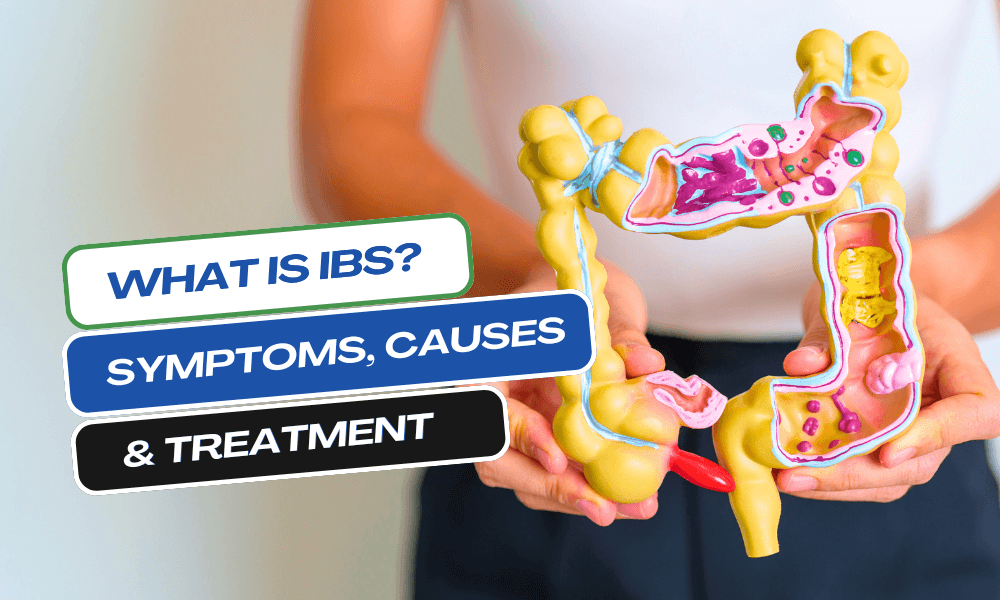
IBS (Irritable Bowel Syndrome) is a condition that disrupts digestive tract function and causes persistent discomfort without visible damage to the intestines. It can occur due to multiple factors including genes, stress, oversensitive GI tract, psychological trauma, stomach infections, and more. IBS does not have a cure, but symptomatic relief is possible with homeopathic medication, lifestyle changes, and diet.
IBS (Irritable Bowel Syndrome) is a chronic GI (Gastrointestinal) disorder that leads to various intestinal symptoms that either occur together, alternatively, or may come and go. These include abdominal pain, excess gas, bloating, diarrhoea, constipation, urgency to poop, weakness, nausea, etc.
It is a common disorder and does NOT damage your GI tract or lead to other serious diseases like colon cancer, colitis, or Crohn’s Disease. Irritable Bowel Syndrome treatments include homeopathic medicines, a healthy diet, lifestyle modifications, and behavioural therapy.
The type of IBS you have is determined by the consistency of the bowel movements, classified as follows:
Following are the Irritable Bowel Syndrome symptoms that occur commonly:
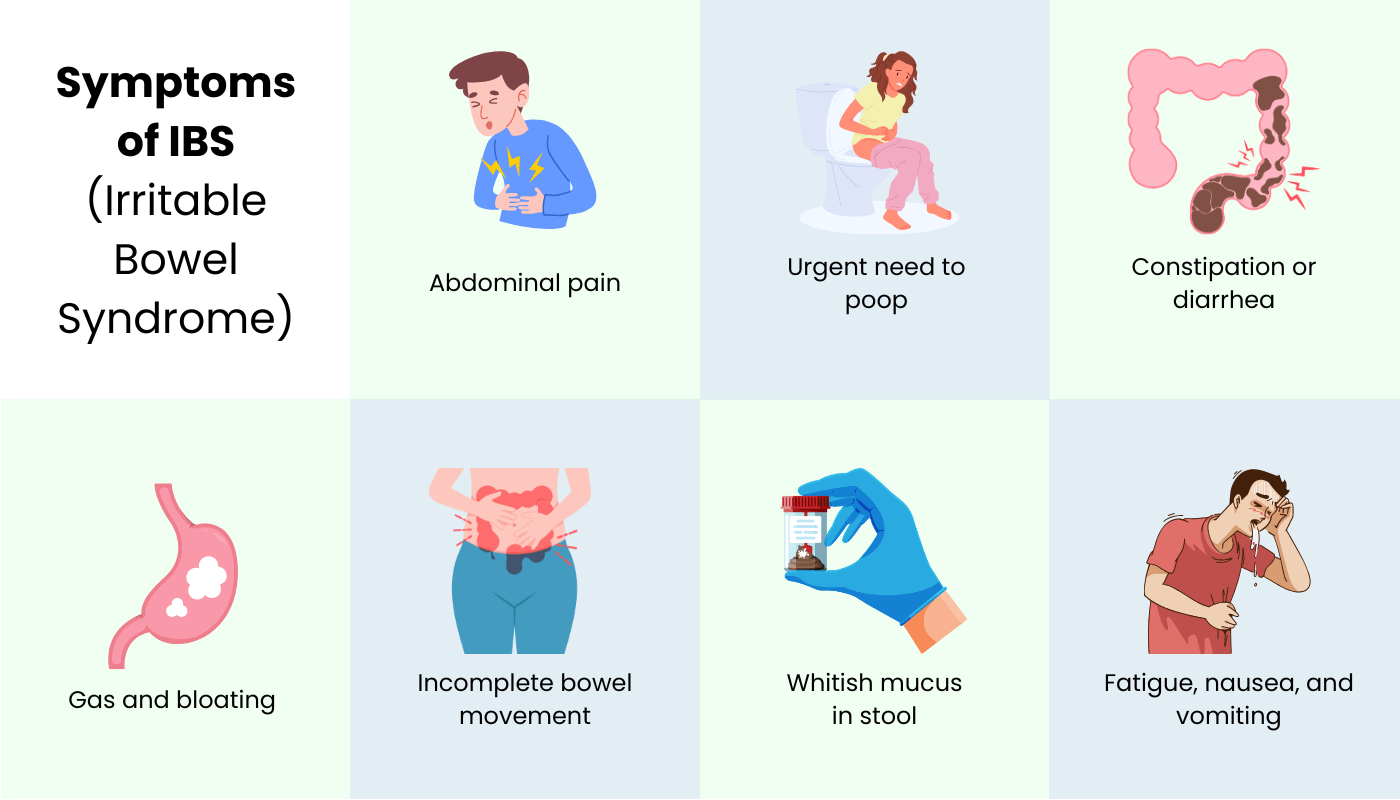
These symptoms may vary depending on the severity of your IBS, your gender, and your age.
Symptoms of IBS in females may worsen during menstruation and after menopause.
IBS can arise due to several factors and the root cause remains unknown. It comes under the category of neuro-gastrointestinal diseases that depend on how your brain and GI tract interact for the proper functioning of your digestive system.

Here are some of the possible causes of Irritable Bowel Syndrome:
People with IBS may get abdominal cramps when regular stool or gas reaches the gut. In some people with IBS, food may pass too quickly or too slowly through the GI tract.
Your physician may diagnose IBS by learning your symptoms, its duration, and severity. If your symptoms are severe, your doctor may recommend certain tests such as blood tests, stool sample examination, lactose intolerance tests, or imaging tests such as colonoscopy, upper endoscopy, or CT scan to rule out other GI diseases.
How to cure IBS permanently? Well, IBS does not have a cure. But you can get symptomatic relief through healthy eating habits, better lifestyle choices, and homeopathic medication.
Some of the tips to improve your IBS symptoms are as follows:
If your symptoms do not get better with lifestyle changes, you must consider consulting a Homeopathic Expert Doctor. If you are wondering what is the best medication for IBS? Homeopathy has shown amazing results in Irritable bowel syndrome treatment. in treating IBS from its core. Homeopathy medicines are made from 100% natural ingredients and are completely safe for people of all ages.
It enhances your body’s natural defense mechanism to fight diseases and improves immune function. However, homeopathic treatment for IBS differs based on the severity of your symptoms, age, gender, and the duration of the condition.
Hence, patients should never self-diagnose or self-treat and always consult an expert homeopathic doctor for proper diagnosis and treatment for IBS.
Some effective homeopathic medicines for IBS diarrhea include:
If you are experiencing any of the IBS symptoms listed above, book an Online Consultation with our highly experienced Homeopathy Specialist Doctor for further diagnosis.
He will carefully examine your medical history, and symptoms and prescribe the best homeopathic medication for Irritable bowel syndrome treatment.
Ready to take a well-rounded, holistic approach to treat your IBS naturally?
Book your appointment now!

